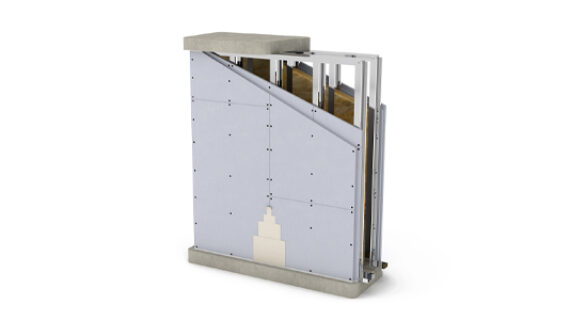
Plasterboarding: The Core of High-Performance Wall Systems
Walk into any modern building and you’re surrounded by plasterboard. It’s so ubiquitous that most people don’t even notice it, but that’s exactly the point. Good plasterboard does its job so well that it becomes invisible, providing fire protection, sound control, and structural support.
But here’s what most people don’t realize: not all plasterboard is created equal. The difference between standard plasterboard and high-performance variants can mean the difference between a wall system that meets minimum code requirements and one that exceeds expectations for decades.
What is Plasterboard?
Plasterboard, also known as drywall or gypsum board, is a building material consisting of a gypsum core sandwiched between paper or fiberglass mat facings. At its most basic level, plasterboard is about 90% gypsum—a mineral composed of calcium sulfate dihydrate—with the remaining 10% consisting of additives that enhance specific properties.
The manufacturing process reveals why plasterboard has become so central to modern construction. Gypsum is mined, crushed, and heated to remove excess water, creating a powder that can be mixed with water and additives to form a slurry. This slurry is spread between continuous sheets of paper or fiberglass mat, formed into boards, and then heated to drive off excess moisture.
What makes this process remarkable is its efficiency and consistency. Modern plasterboard manufacturing can produce boards with precise thickness tolerances, consistent density, and predictable performance characteristics.
However, the basic plasterboard concept has evolved significantly to meet specialized performance requirements. Fire-resistant plasterboards include glass fibers that help maintain structural integrity at high temperatures. Moisture-resistant plasterboards use water-repellent additives and moisture-resistant facings to withstand humid conditions.
Plasteboard Ingredients for High-Performance
The transformation of basic gypsum into high-performance plasterboard involves carefully selected ingredients that enhance specific properties while maintaining the material’s fundamental advantages.
Glass fibers are perhaps the most important additive for high-performance applications. These fibers, typically 1-3% of the total weight, dramatically improve the board’s structural integrity at high temperatures. When exposed to fire, the glass fibers help maintain the board’s shape and prevent collapse even after the gypsum core has been compromised.
Water repellents are critical ingredients in moisture-resistant plasterboards. Silicone compounds, wax emulsions, or other hydrophobic materials are incorporated into the core to reduce water absorption. These additives don’t make the board waterproof, but they significantly improve its ability to withstand humid conditions.
Fiberglass mat facings provide superior moisture resistance and mold prevention compared to paper facings. These facings don’t support mold growth like paper can, making them essential for wet area applications.
Mada Gypsum‘s high-performance plasterboard standard demonstrates how careful ingredient selection creates products that exceed standard performance requirements.
Types of Plasterboard Based on Performances
High-performance plasterboard systems are categorized based on their specialized capabilities, with each type engineered to excel in specific applications where standard plasterboard would be inadequate.
Fire-resistant plasterboards represent one of the most critical performance categories. These boards incorporate glass fibers, vermiculite, and other additives that help maintain structural integrity at elevated temperatures. Type X plasterboard contains specific amounts of glass fiber reinforcement that enable it to achieve one-hour fire ratings.
Moisture-resistant plasterboards address one of standard plasterboard’s primary limitations. These boards use water-repellent additives in the core and moisture-resistant facings to withstand humid conditions without losing structural integrity or supporting mold growth.
Impact-resistant plasterboards incorporate denser cores and reinforcing materials that enable them to withstand mechanical abuse without cracking or puncturing. These boards are crucial in schools, hospitals, and other high-traffic areas where wall damage is common.
Acoustic plasterboards are designed to enhance sound control in wall and ceiling assemblies. Some acoustic boards use perforated facings and specialized core materials to improve sound absorption.
How to Install Plasterboard
Proper plasterboard installation is critical to achieving the performance characteristics that high-performance boards are designed to provide. Poor installation can negate the benefits of even the most advanced plasterboard products.
Framing preparation is the foundation of successful plasterboard installation. The framing must be straight, properly spaced, and securely fastened. Standard spacing is 16 inches on center for walls and 12 inches on center for ceilings.
Fastening methods and patterns are critical for achieving rated performance. Screws are generally preferred over nails for their superior holding power. Screw spacing, depth, and type must match the specifications for the particular board and application.
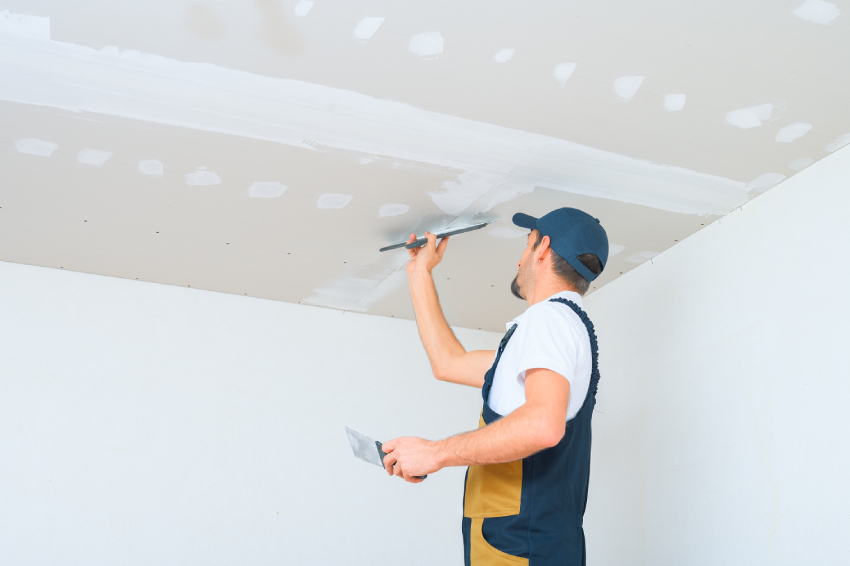
Joint treatment is where many installations fail to achieve their potential performance. The joint compound must be compatible with the board type and application requirements. Three coats are typically required: a bedding coat, a fill coat, and a finish coat.
The key to successful plasterboard installation is understanding that the board is just one component of a wall system. The framing, fasteners, joint treatment, and finishing all contribute to the final performance. Contact us for more information today.